

-
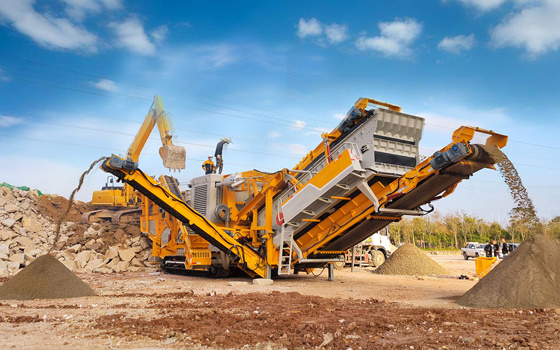
ProductShanghai Wuchuan Mining Machinery Co.,Ltd is a company specializing in the manufacturing of mining equipment and foreign trade sales. Its main products include mining crushing, screening machinery, and wear-resistant steel parts, committed to providing professional solutions to customers.
-
BlogShanghai Wuchuan Mining Machinery Co.,Ltd is a company specializing in the manufacturing of mining equipment and foreign trade sales. Its main products include mining crushing, screening machinery, and wear-resistant steel parts, committed to providing professional solutions to customers.

-
SupportShanghai Wuchuan Mining Machinery Co.,Ltd is a company specializing in the manufacturing of mining equipment and foreign trade sales. Its main products include mining crushing, screening machinery, and wear-resistant steel parts, committed to providing professional solutions to customers.
-
AboutShanghai Wuchuan Mining Machinery Co.,Ltd is a company specializing in the manufacturing of mining equipment and foreign trade sales. Its main products include mining crushing, screening machinery, and wear-resistant steel parts, committed to providing professional solutions to customers.

-
ContactShanghai Wuchuan Mining Machinery Co.,Ltd is a company specializing in the manufacturing of mining equipment and foreign trade sales. Its main products include mining crushing, screening machinery, and wear-resistant steel parts, committed to providing professional solutions to customers.

-
Language

News Center
Comprehensive Guide to Ball Mill Liner Replacement: Timing and Importance
Release Time:
2026-07-05
Author:
Source:
Ball Mill Liner Replacement: When and Why to Do It In the manufacturing industry, particularly in the realm of **crushing and sorting machinery**, the efficiency and performance of equipment like ball mills are paramount. One critical component that significantly influences these factors is the **ball mill liner**. Understanding when and why to replace the ball mill liners is essential for maximiz
Ball Mill Liner Replacement: When and Why to Do It
In the manufacturing industry, particularly in the realm of **crushing and sorting machinery**, the efficiency and performance of equipment like ball mills are paramount. One critical component that significantly influences these factors is the **ball mill liner**. Understanding when and why to replace the ball mill liners is essential for maximizing productivity and reducing operational costs. This article delves deep into the importance of ball mill liner replacement, providing insights that will help you make informed decisions.
The Function of Ball Mill Liners
Ball mill liners serve several crucial functions in the grinding process. They are designed to protect the interior surface of the mill, enhancing the overall durability of the equipment. Here are the primary roles that ball mill liners play:
1. Protection Against Wear and Tear
The grinding process subjects the liners to continuous impact and abrasion from the grinding media and the material being processed. The liners must withstand these forces to avoid premature damage.
2. Enhancing Grinding Efficiency
By providing a smooth surface for the grinding media to operate against, liners help maintain optimal grinding efficiency. They also create a specific trajectory for the balls, maximizing the impact on the material.
3. Containing the Material
Linters help contain the material within the mill, ensuring that the grinding process is efficient. They prevent excessive leakage of materials, which can lead to wastage and increased costs.
Common Materials Used for Ball Mill Liners
Ball mill liners can be constructed from various materials, including:
- **Rubber:** Offers good impact resistance and is lightweight.
- **Steel:** Provides high strength and durability but is heavier.
- **Composites:** Combine the benefits of both rubber and steel for enhanced performance.
Indicators That It's Time for Liner Replacement
Recognizing when to replace the ball mill liners can save significant costs and downtime. Here are some key indicators that suggest it's time for a replacement:
1. Increased Noise Levels
A sudden increase in noise during operation may indicate that the liners are worn out. This noise typically results from grinding media impacting the mill shell instead of the liner.
2. Decreased Grinding Efficiency
If you notice a gradual decrease in the grinding efficiency of your mill, it may be due to the wear and tear of the liners, which can lead to ineffective grinding.
3. Visible Wear and Damage
Inspect the liners regularly for visible signs of wear, such as cracks, chips, and thinning. If any of these signs are evident, it’s time to consider a replacement.
4. Changes in Product Quality
Variations in product quality can also signal the need for liner replacement. If you observe inconsistent particle size or an increase in contamination, worn liners may be the cause.
5. Increased Power Consumption
Worn liners can lead to higher power consumption as the mill struggles to achieve the desired grinding performance. Monitoring power consumption can help identify when a replacement is necessary.
The Replacement Process: Steps to Follow
Understanding the ball mill liner replacement process can help ensure that the task is carried out efficiently and effectively.
1. Planning and Scheduling
Before beginning the replacement, it is crucial to plan and schedule the downtime required for the task. This minimizes disruptions to the production process.
2. Safe Shutdown
Ensure the mill is safely shut down and isolated from all power sources. Follow lockout/tagout procedures to guarantee the safety of maintenance personnel.
3. Removing the Old Liners
Carefully remove the old liners, taking note of how they are installed to ensure proper orientation for the new liners. Use appropriate tools and safety equipment to prevent injuries.
4. Inspecting the Mill Internals
Once the old liners are removed, conduct a thorough inspection of the mill's internal components, including the shell, trunnions, and bearings. Make any necessary repairs before installing the new liners.
5. Installing New Liners
Proper installation of the new liners is critical. Follow the manufacturer's guidelines for orientation and securing the liners. Ensure that all fasteners are tightened to the specified torque.
6. Testing and Calibration
After installation, conduct a test run to ensure that the mill operates smoothly. Monitor the performance closely to identify any potential issues before returning to full production.
Benefits of Timely Liner Replacement
Replacing ball mill liners at the right time comes with numerous benefits that can enhance overall productivity and profitability.
1. Enhanced Equipment Lifespan
Timely replacement of worn liners significantly extends the lifespan of the ball mill by preventing damage to the mill shell and other internal components.
2. Improved Operational Efficiency
New liners ensure optimal grinding performance, leading to better material processing and reduced energy consumption. This translates into cost savings and increased output.
3. Consistent Product Quality
With new liners, the quality of the end product remains consistent, helping meet production standards and customer expectations.
4. Reduced Downtime
By scheduling liner replacements during planned maintenance, manufacturers can minimize unexpected downtime, keeping production schedules on track.
Cost Considerations for Ball Mill Liner Replacement
Understanding the costs associated with ball mill liner replacement is vital for effective budgeting and financial planning.
1. Material Costs
The type of material chosen for the liners will significantly impact the overall cost. Rubber liners tend to be less expensive than steel or composite options but may have a shorter lifespan.
2. Labor Costs
Labor costs for the replacement process can vary depending on the complexity of the task and the experience of the maintenance personnel. Budgeting for skilled labor can help ensure a smooth replacement.
3. Downtime Costs
Consider the costs associated with downtime during the replacement process. Effective planning can help minimize these costs.
4. Long-Term Savings
While upfront costs may seem significant, investing in quality liners and timely replacements can lead to substantial long-term savings through improved efficiency and reduced maintenance.
Choosing the Right Ball Mill Liner
Selecting the appropriate liner for your ball mill is critical for maximizing performance. Here are factors to consider:
1. Type of Material Being Processed
Different materials may require specific liner types to optimize grinding efficiency. Consider the abrasiveness and hardness of the material.
2. Mill Size and Design
Ensure that the liner is compatible with the specific size and design of your ball mill. Custom liners may be necessary for unique mill configurations.
3. Operational Conditions
Consider the operational conditions, including temperature and humidity, as these can influence the performance and durability of the liners.
4. Manufacturer Reputation
Choose liners from reputable manufacturers known for quality and reliability. Research customer reviews and industry standards to make informed decisions.
FAQs About Ball Mill Liner Replacement
1. How often should ball mill liners be replaced?
The frequency of liner replacement depends on several factors, including the type of material being processed and the mill's operational conditions. Regular inspections can help determine the best timing.
2. Can I replace ball mill liners myself?
While it is possible to replace liners without professional help, it is recommended to hire experienced personnel to ensure proper installation and safety.
3. What are the signs of worn ball mill liners?
Common signs include increased noise levels, decreased grinding efficiency, visible wear or damage, changes in product quality, and increased power consumption.
4. How can I extend the life of my ball mill liners?
Regular maintenance, monitoring performance, and timely replacements are crucial for extending the lifespan of ball mill liners.
5. What materials are best for ball mill liners?
The best material depends on the grinding application, but options include rubber, steel, and composite materials, each with its own advantages.
Conclusion
In conclusion, understanding the importance of **ball mill liner replacement** is vital for maintaining optimal performance in the manufacturing process. By recognizing the indicators for replacement, following the proper procedures, and selecting the right materials, manufacturers can enhance their operational efficiency and reduce costs. Prioritizing regular inspections and timely replacements will not only extend the lifespan of the equipment but also contribute to consistent product quality and overall profitability. Investing time and resources in this crucial aspect of mill maintenance ensures a competitive edge in the ever-evolving manufacturing landscape.
Keywords:
Jaw crusher parts | Shredder parts | Cone crusher Parts | Ball mill parts
Previous page
Previous page:
Related News

Business License