

-
ProductShanghai Wuchuan Mining Machinery Co.,Ltd is a company specializing in the manufacturing of mining equipment and foreign trade sales. Its main products include mining crushing, screening machinery, and wear-resistant steel parts, committed to providing professional solutions to customers.
-
BlogShanghai Wuchuan Mining Machinery Co.,Ltd is a company specializing in the manufacturing of mining equipment and foreign trade sales. Its main products include mining crushing, screening machinery, and wear-resistant steel parts, committed to providing professional solutions to customers.

-
SupportShanghai Wuchuan Mining Machinery Co.,Ltd is a company specializing in the manufacturing of mining equipment and foreign trade sales. Its main products include mining crushing, screening machinery, and wear-resistant steel parts, committed to providing professional solutions to customers.

-
AboutShanghai Wuchuan Mining Machinery Co.,Ltd is a company specializing in the manufacturing of mining equipment and foreign trade sales. Its main products include mining crushing, screening machinery, and wear-resistant steel parts, committed to providing professional solutions to customers.

-
ContactShanghai Wuchuan Mining Machinery Co.,Ltd is a company specializing in the manufacturing of mining equipment and foreign trade sales. Its main products include mining crushing, screening machinery, and wear-resistant steel parts, committed to providing professional solutions to customers.

-
Language


News Center
Essential Components of Impact Crushers: Your Guide to Impact Crusher Parts
Release Time:
2025-09-10
Author:
Source:
Impact crushers are essential machines in various industries, particularly in the manufacturing and processing sectors. They are primarily used to crush materials into smaller sizes for further processing. Understanding the various components of impact crushers, known as impact crusher parts, can help maximize their efficiency and prolong their operational lifespan. The primary parts of an impact
Impact crushers are essential machines in various industries, particularly in the manufacturing and processing sectors. They are primarily used to crush materials into smaller sizes for further processing. Understanding the various components of impact crushers, known as impact crusher parts, can help maximize their efficiency and prolong their operational lifespan.
The primary parts of an impact crusher include the rotor, blow bars, impact plates, and housing. The rotor, often considered the heart of the impact crusher, is a high-speed rotating component that accelerates the material towards the impact plates. It plays a crucial role in determining the performance and efficiency of the machine. Ensuring that the rotor is well-maintained and free from damage is vital for optimal operation.
Blow bars are another critical component of impact crushers. They are typically made from high-quality materials, such as high manganese steel or alloy steel, designed to withstand the high impact forces during the crushing process. Selecting the right blow bars and regularly inspecting them for wear and tear can significantly affect the efficiency of the crushing operation. Understanding the different types of blow bars available and their specific applications can help you choose the most suitable ones for your material processing needs.
Impact plates, also known as impact liners, are another integral part of the crushing mechanism. They are positioned strategically to absorb the energy of the material being crushed, facilitating the reduction in size. Regular inspection and replacement of impact plates are necessary to maintain effective crushing and prevent excessive wear on other components.
The housing or outer shell of the impact crusher also plays a crucial role in the assembly and stability of the machine. A robust and well-designed housing not only protects the internal components but also minimizes vibration during operation. Proper maintenance of the housing, including checking for any signs of wear or damage, is essential to ensure the longevity and reliability of the impact crusher.
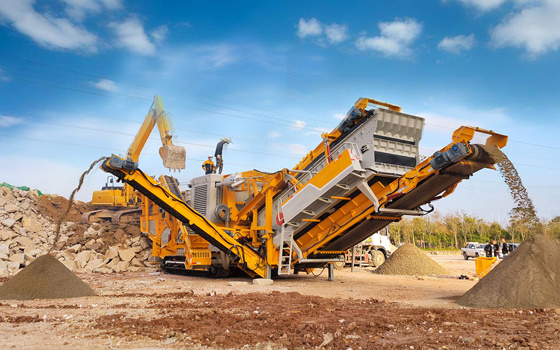
Additionally, other components such as the conveyor systems, feed hoppers, and discharge chutes must also be considered when discussing impact crusher parts. Each of these elements contributes to the overall efficiency and effectiveness of the crushing process.
In conclusion, understanding the various impact crusher parts and their functions is essential for professionals in the manufacturing and processing sectors. By prioritizing maintenance and selecting the right components, you can enhance the performance of your impact crushers and ensure consistent productivity in your operations. Regular training and updates on the latest advancements in impact crusher technology can further empower your team to achieve optimal results.
The primary parts of an impact crusher include the rotor, blow bars, impact plates, and housing. The rotor, often considered the heart of the impact crusher, is a high-speed rotating component that accelerates the material towards the impact plates. It plays a crucial role in determining the performance and efficiency of the machine. Ensuring that the rotor is well-maintained and free from damage is vital for optimal operation.
Blow bars are another critical component of impact crushers. They are typically made from high-quality materials, such as high manganese steel or alloy steel, designed to withstand the high impact forces during the crushing process. Selecting the right blow bars and regularly inspecting them for wear and tear can significantly affect the efficiency of the crushing operation. Understanding the different types of blow bars available and their specific applications can help you choose the most suitable ones for your material processing needs.
Impact plates, also known as impact liners, are another integral part of the crushing mechanism. They are positioned strategically to absorb the energy of the material being crushed, facilitating the reduction in size. Regular inspection and replacement of impact plates are necessary to maintain effective crushing and prevent excessive wear on other components.
The housing or outer shell of the impact crusher also plays a crucial role in the assembly and stability of the machine. A robust and well-designed housing not only protects the internal components but also minimizes vibration during operation. Proper maintenance of the housing, including checking for any signs of wear or damage, is essential to ensure the longevity and reliability of the impact crusher.
Additionally, other components such as the conveyor systems, feed hoppers, and discharge chutes must also be considered when discussing impact crusher parts. Each of these elements contributes to the overall efficiency and effectiveness of the crushing process.
In conclusion, understanding the various impact crusher parts and their functions is essential for professionals in the manufacturing and processing sectors. By prioritizing maintenance and selecting the right components, you can enhance the performance of your impact crushers and ensure consistent productivity in your operations. Regular training and updates on the latest advancements in impact crusher technology can further empower your team to achieve optimal results.
Keywords:
Jaw crusher parts | Shredder parts | Cone crusher Parts | Ball mill parts
Related News

Business License